April 9, 2026

Understanding FIP and the Role of GS-441524
Feline Infectious Peritonitis (FIP) has long been considered one of the most devastating diseases affecting cats. It develops when feline coronavirus (FCoV), a common virus in cats, mutates inside the body and triggers a severe immune-mediated reaction. FIP is most often seen in young cats, immunocompromised cats, or those living under stress.
Without timely treatment, the disease can progress rapidly and may become life-threatening.
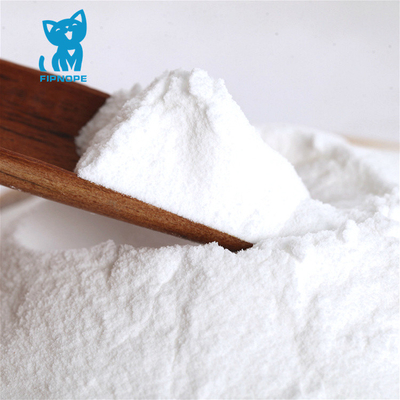
In recent years, GS-441524 has transformed the outlook for cats diagnosed with FIP. A growing body of laboratory and clinical evidence suggests that this antiviral compound can play a highly effective role in managing the disease. As a company focused on feline health, our company provides GS-441524-based treatment options in both injectable and oral forms to support cats at different stages of FIP care.
Why the Success Rate Matters
When a cat is diagnosed with FIP, one of the first questions owners and veterinarians ask is: What are the chances of recovery?
Treatment success rates are more than just statistics. They help guide critical decisions, including:
A consistently strong success rate can give cat owners more confidence, while also helping veterinarians build a more structured and realistic treatment plan.
What Does “Successful FIP Treatment” Really Mean?
1. Clinical Recovery
One of the clearest signs that treatment is working is improvement in clinical symptoms. This may include:
For many owners, these visible changes are the first indication that their cat is responding positively.
2. Suppression of Viral Activity
Improvement in symptoms is important, but symptom relief alone is not enough. A successful treatment must also help control the virus itself.
GS-441524 works by inhibiting viral replication, preventing the FIP-associated virus from continuing to multiply inside the cat’s body. Research has shown that the compound can be active at low concentrations in feline cells while maintaining a favorable safety profile.
3. Long-Term Stability Without Relapse
Short-term improvement is encouraging, but long-term recovery is the real goal. In FIP treatment, one of the most meaningful indicators of success is whether the cat remains stable after completing therapy.
A cat that finishes treatment, stays clinically well, and does not relapse in the months that follow is generally considered to have achieved a successful outcome.
What Is the Reported Success Rate of GS-441524 for FIP?
Published Research Shows Strong Outcomes
Across published studies and clinical case reports, GS-441524 has shown highly promising results in the treatment of FIP. Depending on the type of FIP, how early the disease is identified, and how consistently treatment is followed, reported success rates commonly fall within the 80% to 90% range.
A review of studies published between 2018 and 2024, covering approximately 650 treated cases, found that GS-441524 monotherapy produced an overall success rate of roughly 83% to 85%.
In another widely cited real-world study involving 31 cats with naturally occurring FIP, the cats received GS-441524 for at least 12 weeks (84 days). Most of them achieved sustained remission, while the small number of relapses were often manageable with dose adjustments and continued monitoring.
These findings have helped establish GS-441524 as one of the most important advances in modern FIP treatment.
Why Many Cats Show Improvement So Quickly
In real-world use, both veterinarians and cat owners often report noticeable improvement soon after treatment begins.
Many cats start to show positive changes within the first few days to two weeks, including:
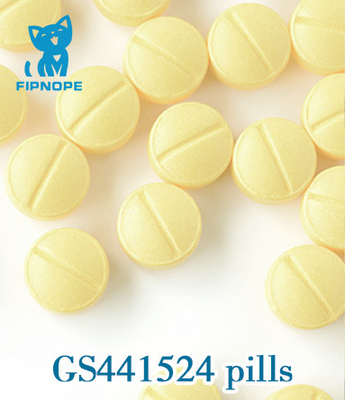
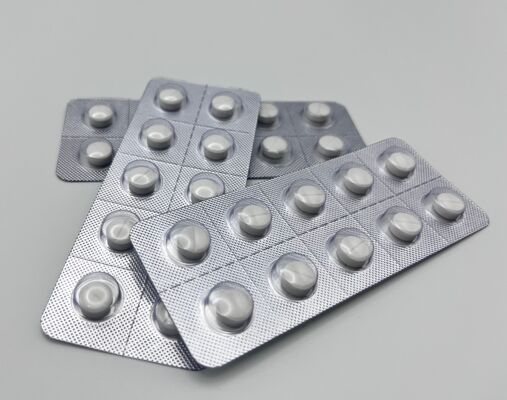
Whether treatment begins with GS-441524 injections or transitions into GS-441524 tablets for ongoing support, early improvement is one of the most commonly observed patterns.
Owners frequently describe dramatic changes after treatment starts. Cats that were previously lethargic, feverish, or unwilling to eat may begin interacting, grooming, and eating again in a relatively short period of time. These early responses often provide important reassurance during a very stressful period.
Based on treatment support experience and long-term follow-up, our company has also observed recovery outcomes exceeding 90% when treatment protocols are followed carefully and consistently.